

Most Australian players who chase pokies with a feature buy option want a clear line between what they pay and what they receive. We rate the packages by hit frequency, bonus round quality, and how much the buy actually changes session value. The Coingaming Group’s wagering analytics tend to separate headline RTP from real session variance, and that same lens matters here: a feature buy only earns its place when the bonus round pays out often enough to justify the upfront cost. Our local anchor sits around Newcastle, where weekend foot traffic and late arvo sessions make quick, transparent mechanics more useful than flashy promise.
How a Feature Buy Actually Plays Out
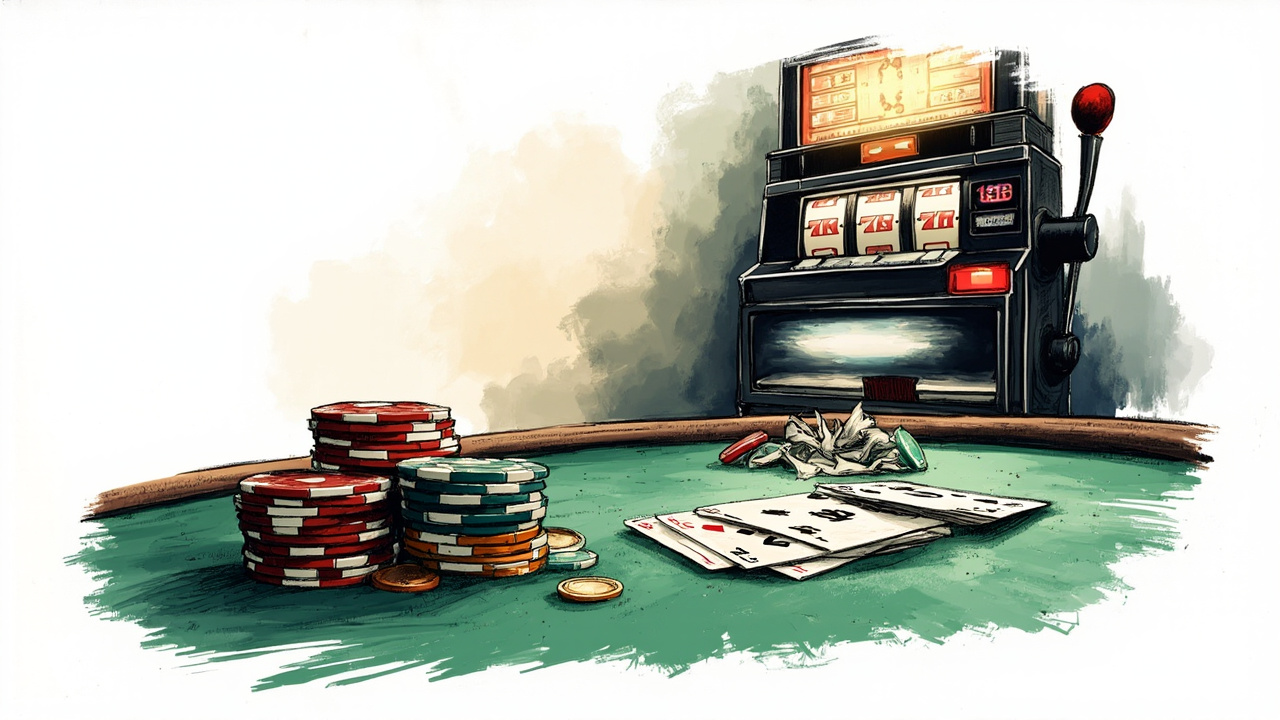
A feature buy is not a shortcut to wins; it is a paid trigger that skips the base-game wait and drops you straight into the bonus. The sensible way to test one is to treat it like a priced event rather than a mystery box. First, check the buy cost against the game’s stated bonus RTP and the volatility band, because a $40 trigger on a high-variance title can burn through a session faster than a $20 trigger on a steadier machine. Second, spin a short base-game sample without buying, just to see how often the natural trigger lands and how the game behaves between bonuses. Third, if you do buy, set a hard stop for that trigger and log the result instead of chasing the next one immediately. The process is deliberately boring because that is what keeps a feature buy from becoming a reflex spend.
What We Look For When Rating These Titles
Bonus round quality over raw cost
The best pokies with feature buy option earn their ranking when the bonus round has its own internal logic rather than just multiplying a single win. We prefer rounds with layered picks, expanding symbols, or a clear progression path where each stage changes the payout structure. A cheap buy that opens a flat multiplier round tends to feel hollow after a few sessions, while a costlier trigger that delivers a multi-stage bonus can justify itself through hit variety. Our take is that players should weigh the round’s ceiling against its floor, not just the price tag on the button.
Buy price and session pacing
Pricing sits at the centre of every decision here. A feature buy that costs five to ten per cent of a typical session bankroll can work as a targeted play, but the same percentage on a volatile title can turn a quiet hour into a fast drain. We flag games where the buy price is clearly displayed before you commit, because hidden or shifting costs make it hard to compare one title against another. If you are playing in a Newcastle club or logging on from home after work, the pace matters as much as the price: a trigger that eats into your run time without offering a meaningful bonus is just an expensive interruption.
Provider transparency and game behaviour
Provider behaviour matters because two games can advertise similar buy mechanics and still play very differently. We lean toward operators and studios that publish the bonus round mechanics, symbol behaviour, and reefspins1.org any caps on repeat triggers in plain terms. That transparency is not glamorous, but it is what lets a player compare a $30 buy on one title with a $35 buy on another without guessing. When the rules are clear, the buy becomes a tool you can budget around instead of a gamble dressed up as a shortcut.
Who This Style Suits Best
A feature buy suits players who already understand their session limits and want to control when a bonus appears. It is a poor fit for anyone treating the buy button as a way to force a win, because the cost is paid before the round starts and the outcome is still governed by the game’s maths. It works better for players who enjoy bonus-heavy sessions and are comfortable spending a fixed amount to reach that part of the game. If your priority is ongoing value after the welcome offer, look for sites that back these titles with repeat-play reasons such as cashback on bonus rounds, loyalty points that accumulate on feature buys, or weekly tournaments that reward bonus hit frequency rather than just total turnover. The Coingaming Group’s position is that recurring promos and loyalty structures usually matter more to long-term play than a one-off bonus, and that same logic applies here: a feature buy is only worth repeating if the surrounding site gives you reasons to keep coming back. Ava Phillips, Board Member, Australian Gaming Futures, has pointed out that players often overvalue the buy itself and undervalue the surrounding product, which is a fair caveat when you are judging whether a title deserves a regular place in your rotation.
This reality underscores why disciplined bankroll management remains essential for anyone exploring online slots. Players looking to minimize risk might prefer starting with simpler setups, such as checking out these three reel pokies before committing to bonus buys. Ultimately, knowing when to walk away is just as important as knowing when to press the button.
Some operators argue that feature buys are simply another way to extend play and give players more control over how they spend, while a few regulators and player advocates counter that paid triggers can blur the line between entertainment and spend acceleration. Both positions have a point: a well-priced, transparent buy can fit a disciplined session, but the same mechanic can also encourage faster depletion if a player treats it as a solution rather than a choice. The disagreement is useful because it keeps the focus on what you are actually buying, not just the button itself.
If you want to compare the surrounding offers before you commit to any title, it is worth checking a current deal at https://heapsowinsbonus.com/ and reading the terms on recurring promos before you treat a feature buy as part of your regular play. Players who prefer a simpler setup can also explore the best free pokies 3 reel options online and use those sessions to gauge hit frequency before spending on a buy trigger.

About The Author
